A thoughtful beginning
Where to Start Planning Your Wedding
Newly engaged? Start with a clear budget, guest-count range and date options, then plan your venue, photography and timeline with room for the moments that matter.

Getting engaged can make every decision feel urgent at once. You do not need the entire day planned before you take the first step. Begin with a few shared priorities, leave room to learn as you go, and build a plan that feels like yours.
This guide starts with the decisions that shape the rest—your budget, guest-count range, and possible dates—then moves to the venue, photography, and a timeline that gives people and photographs room to breathe.
Step 01
Start with the three decisions that shape everything else.
Talk about what you are comfortable spending, who you hope to celebrate with, and the dates or season that could work for you. You can begin with ranges rather than exact numbers. A guest list can change the scale of the venue you need; a season or weekday preference may change which spaces and vendors are available. Keep a short list of what matters most to both of you so it can guide tradeoffs later.
If a location has personal meaning, add it to the conversation now. If you are still deciding between places, that is fine too. A useful first draft might include a budget ceiling, an approximate guest count, several date options, and two or three priorities you are unwilling to lose.
Step 02
Explore venues and photography together.
The venue sets the scene and much of the schedule. As you compare spaces, ask what areas are available for getting ready, the ceremony, portraits, and reception; whether any spaces change with the weather; and what access times or restrictions apply. Ask the venue directly for its current policies rather than relying on a photograph or an older article.
If there is a photographer whose work feels right to you, check their availability while you are considering dates and venues. You can also look through complete wedding stories—not only a handful of favorite portraits—to see how they document preparations, people, details, changing light, and the celebration after dark. A real gallery can help you imagine the coverage you want without asking your day to look exactly like someone else’s.
For a starting point, explore Alexo’s wedding photography collections, real wedding stories and photographs, and venue guides. These pages show different kinds of settings and moments; your own plans and coverage can be discussed when you inquire.
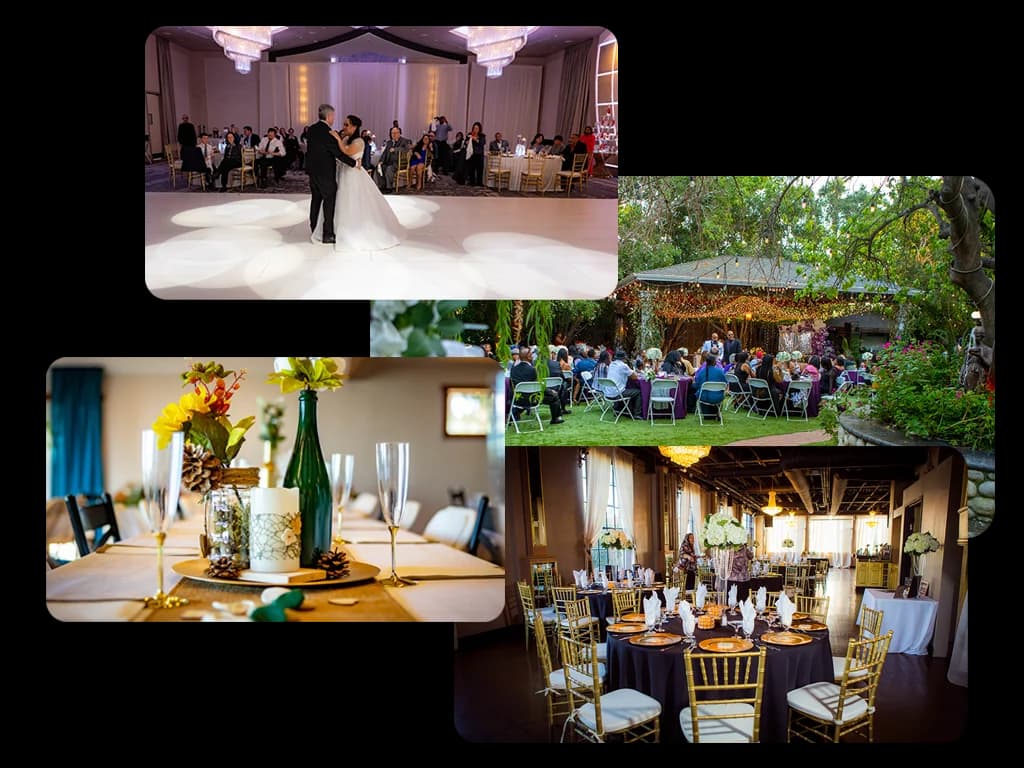 Explore the Venue Guide
 Step 03
Build a timeline around people and light.
Photography is easier to enjoy when the schedule has room for ordinary transitions. Consider where you will get ready, how long it takes to move between spaces, when the ceremony begins, and whether you want portraits with family or together as a couple. Allow a little extra time around travel, getting dressed, group photographs, and the change from ceremony to reception. That buffer is not wasted time—it gives you space to be present when the day moves differently than expected.
Look at the getting-ready room and portrait areas at the time of day you might use them. Window light can be beautiful, but the room’s size, background, and available space for everyone matter too. For outdoor portraits, discuss the likely light with your photographer after you have a date and venue. A sunset photograph on a venue page is inspiration, not a promise of the same light on another day.
Step 04
Use digital tools to organize, not to decide for you.
A shared list or calendar can help you track questions, appointments, and decisions. An AI tool can turn your own notes into a checklist or help draft questions to ask a venue or vendor. Check its suggestions against the actual venue information and the people you plan to hire; it cannot know their availability, policies, or your priorities unless you verify them.
Keep private details—such as guest contact lists, contracts, payment information, and family circumstances—out of public or unfamiliar tools unless you understand how that information will be used. The tool can organize a plan; the choices should still come from the two of you.
One step at a time
A simple first-week checklist.
- Agree on a comfortable budget range and the most important parts of the celebration.
- Sketch a guest-count range and gather a few possible dates.
- Shortlist venues and ask about current availability, access, and weather options.
- Browse complete photography stories and note the moments you want documented.
- Begin a timeline with travel and breathing room, then refine it with the people you hire.
Your plans, your story
You don’t need every answer to begin.
You do not need perfect answers before reaching out. If you have a date—or even just a season and a city—tell me what you are imagining. We can start with what you know and build from there.