Why couples consider Leoness Cellars
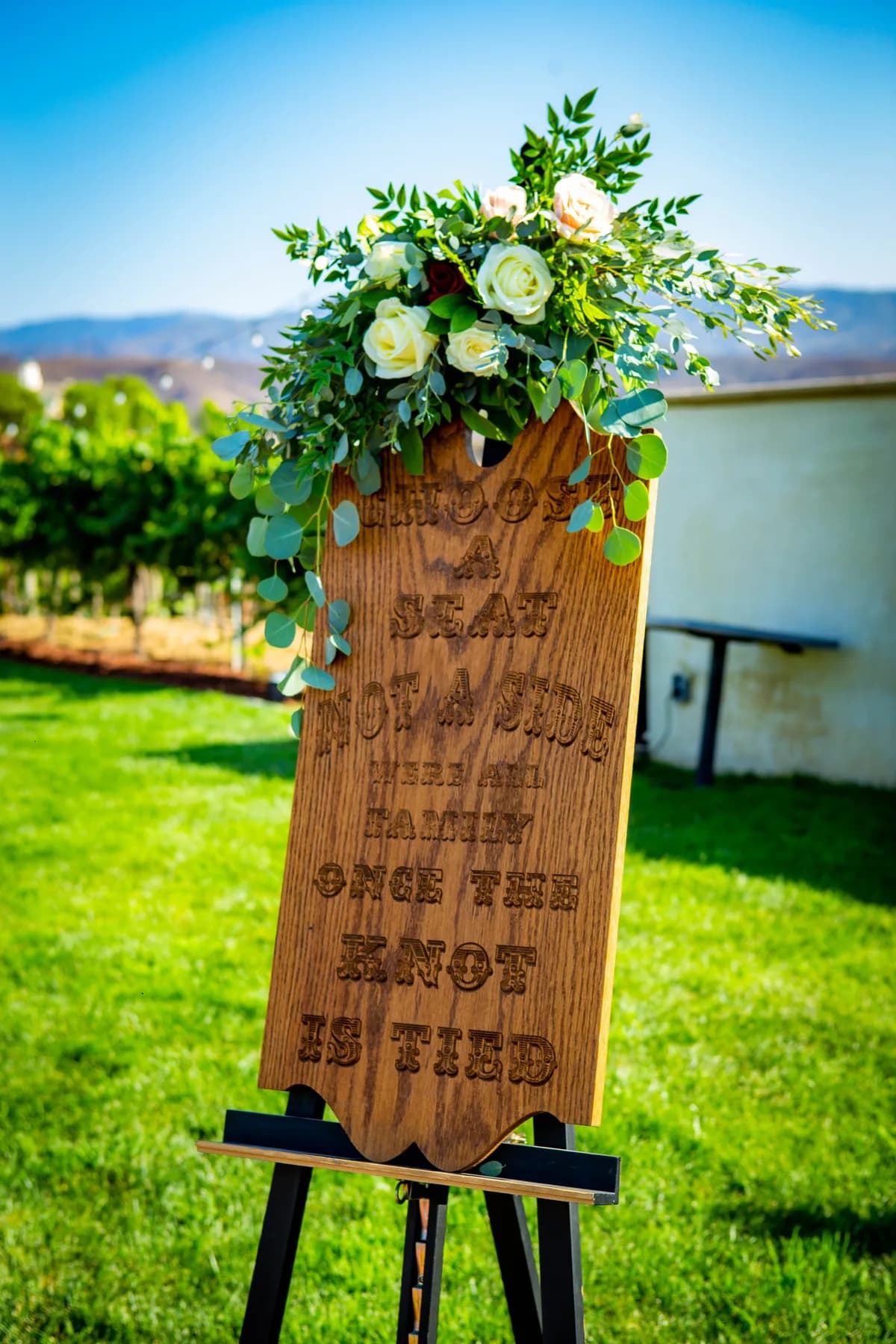
Leoness Cellars is located on De Portola Road in Temecula Valley Wine Country. The venue’s official wedding information describes a private ceremony lawn overlooking the vines and a barrel-room setting for the reception.
For couples, that creates a clear visual progression without asking the wedding day to feel like a photo shoot. Guests can experience an outdoor Wine Country ceremony, while portraits and reception photographs retain the atmosphere of the same property.
The most important practical step is to tour the venue and confirm current inclusions, access, event timing, and contingency options directly with Leoness Cellars. Venue policies and packages can change; this guide concentrates on the photographic character of the spaces.
Photographing the vineyard ceremony
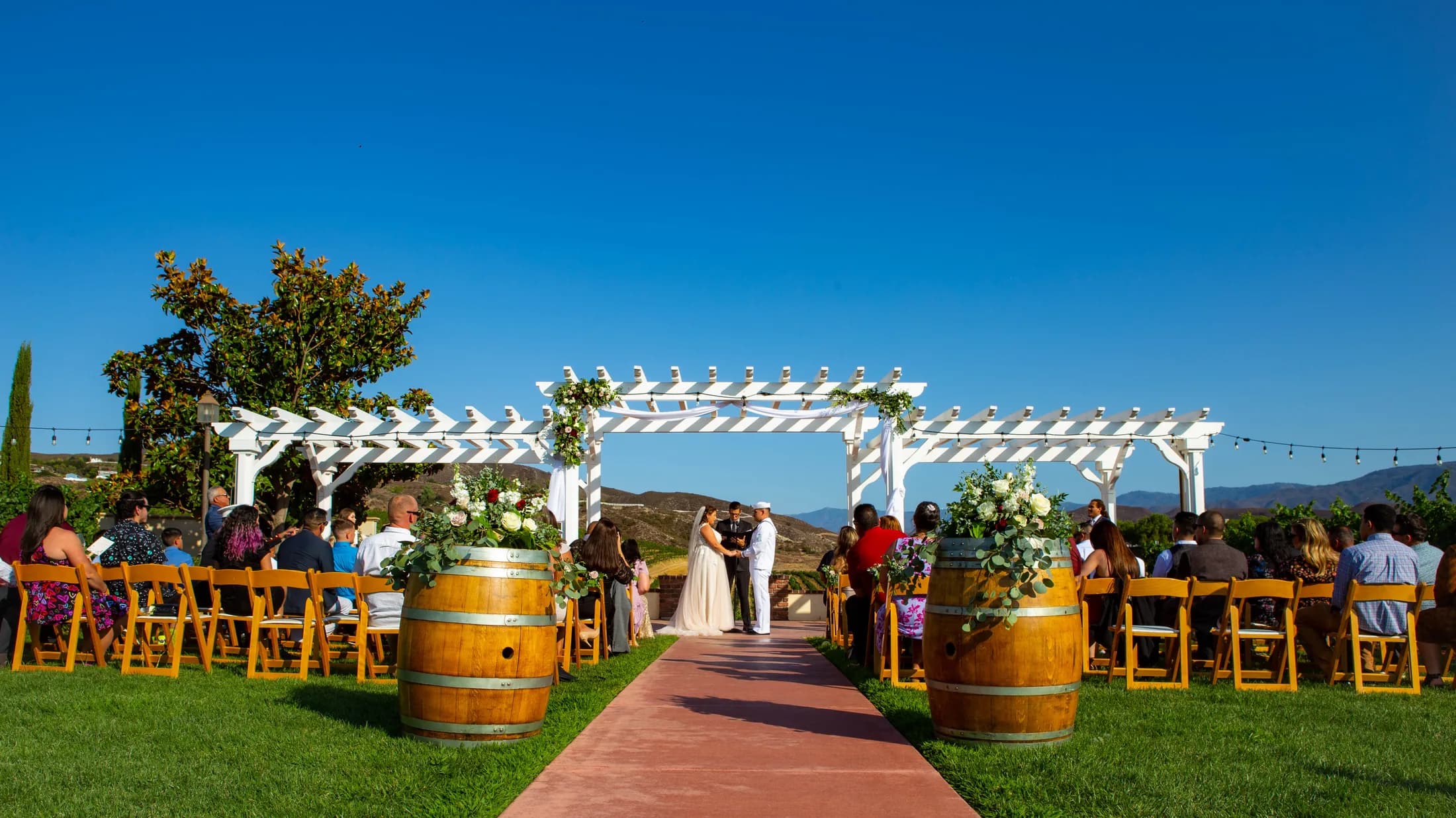
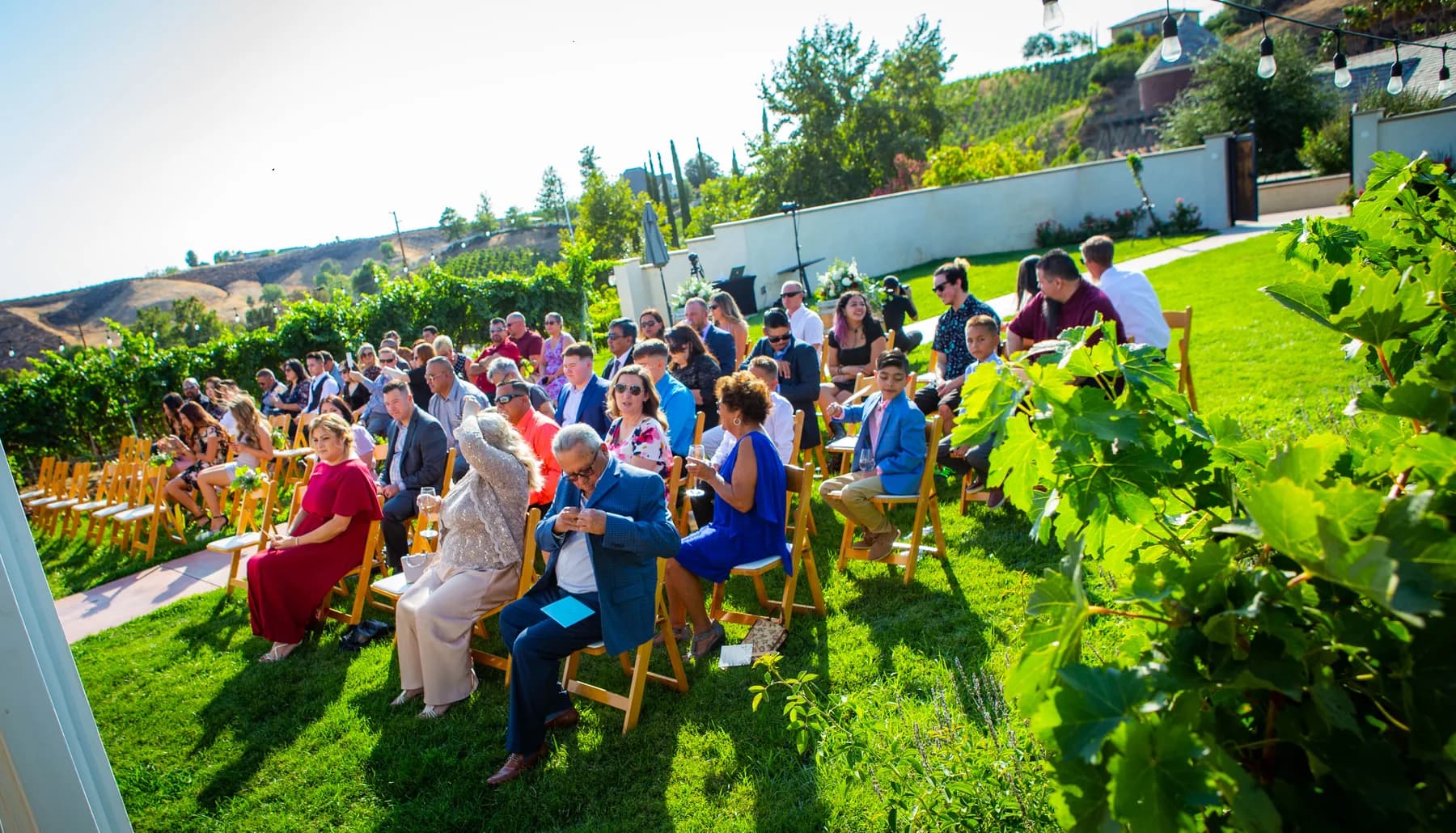
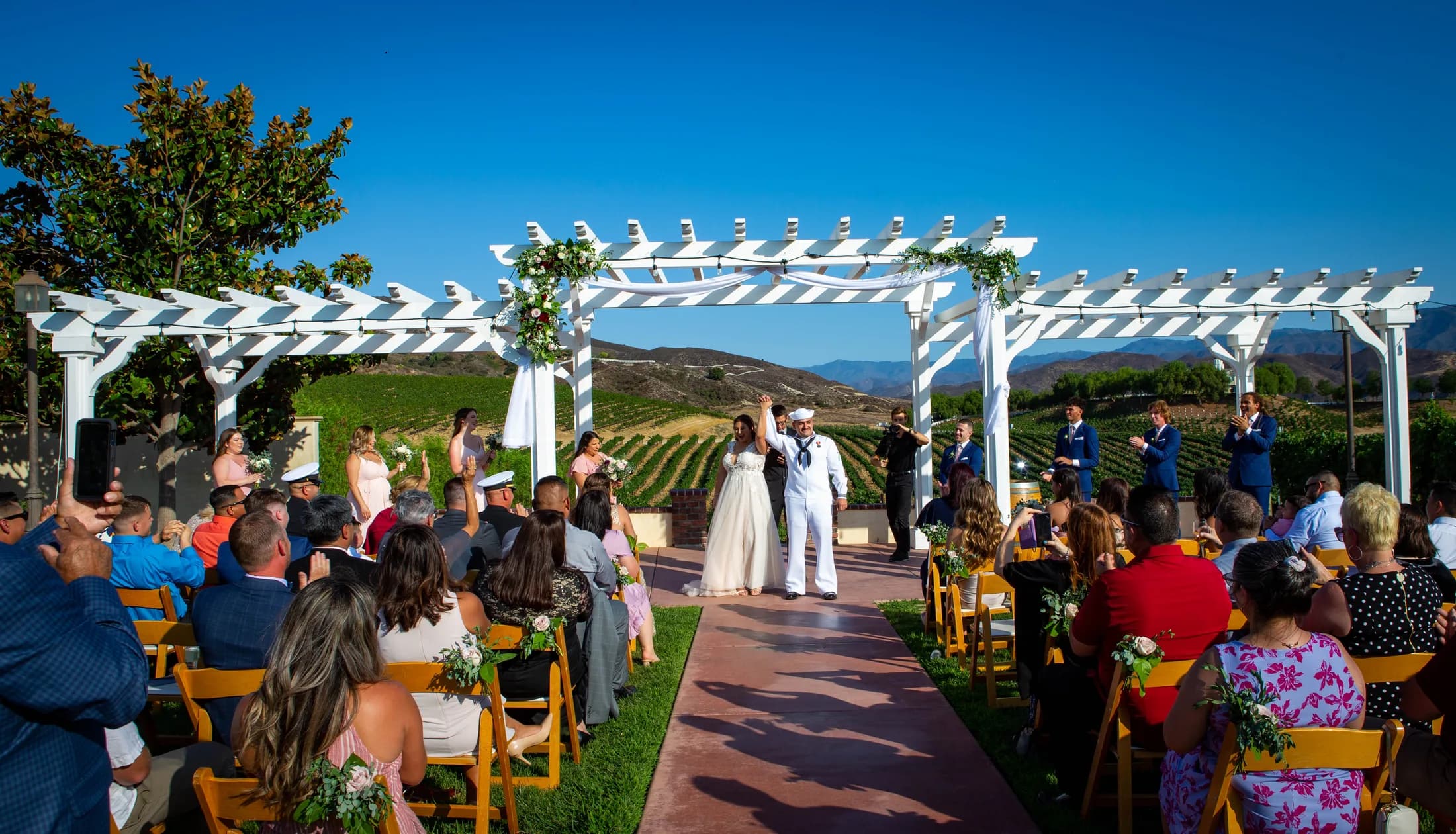
The ceremony lawn opens toward vineyard rows, hills, and a broad Southern California sky. Wide photographs can show the full setting, while medium and longer perspectives keep the couple prominent and bring the landscape visually closer.
Open ceremony locations can also produce strong contrast—especially when white clothing, dark suits, bright architecture, and shaded guests share the same frame. Before the ceremony, I evaluate the direction of the light, the couple’s positions, important backgrounds, and the safest places to work without distracting guests.
For couples, the benefit of that preparation is simple: the ceremony remains the ceremony. The photography plan is established in advance so attention can stay on the vows, reactions, and people present.
Vineyard portrait locations
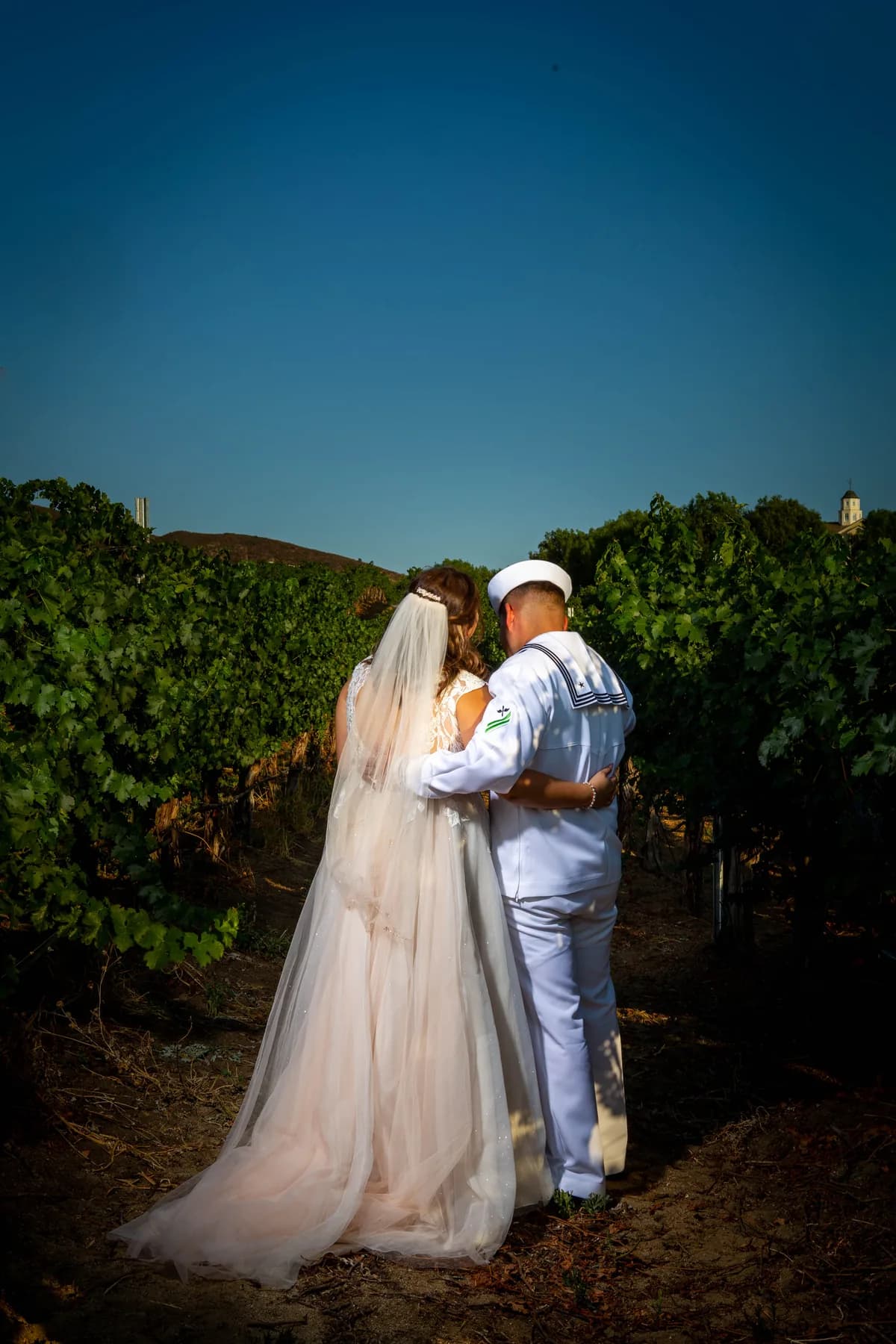
Vineyard rows are more than a recognizable background. Their repeating lines can lead attention toward the couple and create depth in both vertical and horizontal compositions.
A wide focal length shows the scale of Temecula Wine Country. A longer focal length can compress the rows and hills into a cleaner, more layered background. Using both approaches creates greater variety without requiring the couple to visit many separate locations.
Reserve a realistic portrait window after the ceremony whenever the schedule allows. The exact timing should be based on the wedding date, ceremony time, season, and actual light—not a universal promise about golden hour.
Group and wedding-party photographs
The ceremony area offers enough environmental context for wedding-party and group photographs that still look connected to the venue. The challenge is balancing people, sunlight, and the lines of the landscape.
An organized family-photo list and a designated person who can gather participants are often more valuable than adding extra portrait time. Efficient group coverage gives the couple more time for their own portraits and lets guests move toward the reception.
Relationships are not assigned in captions unless the owner supplies and confirms them.
The barrel-room reception
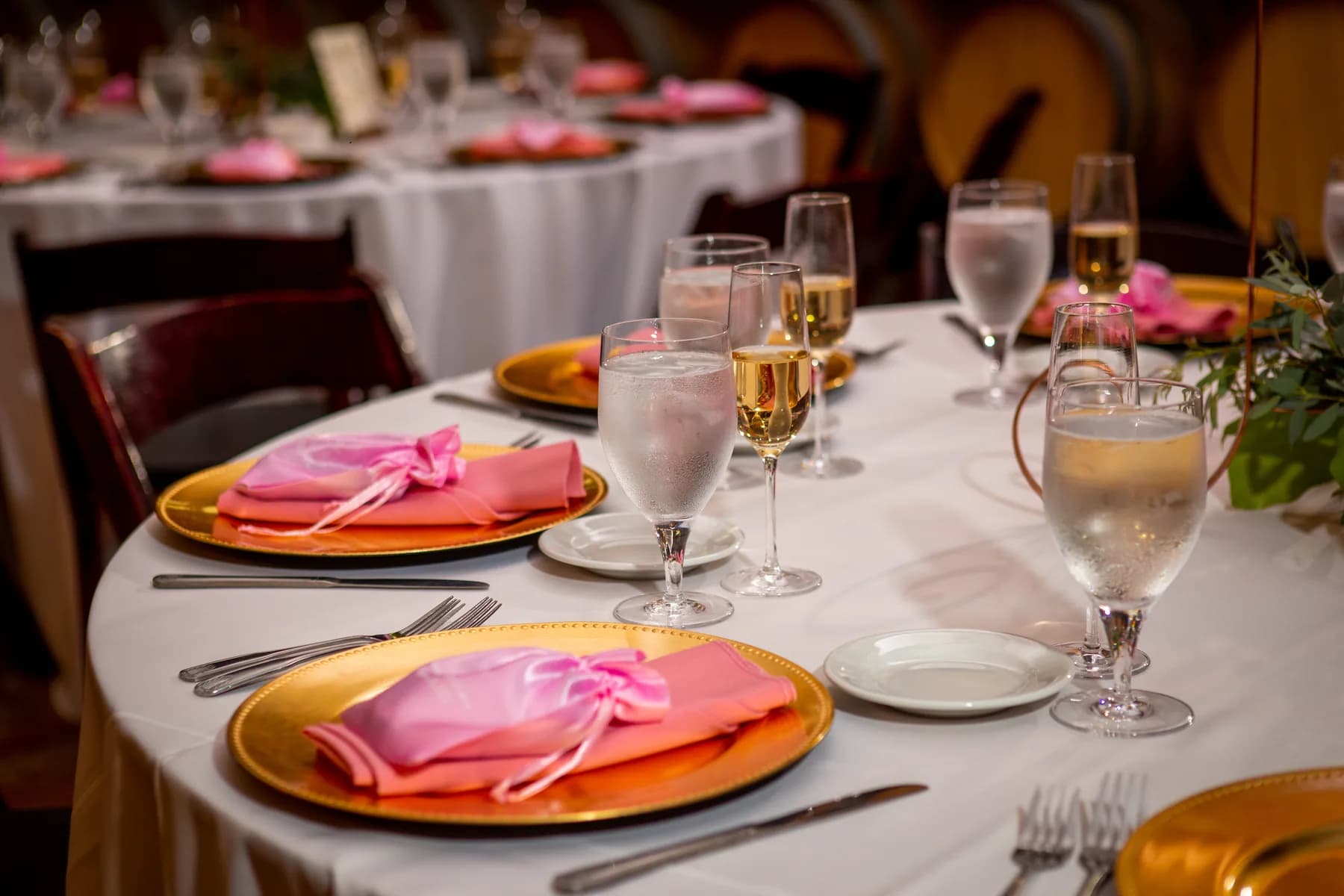
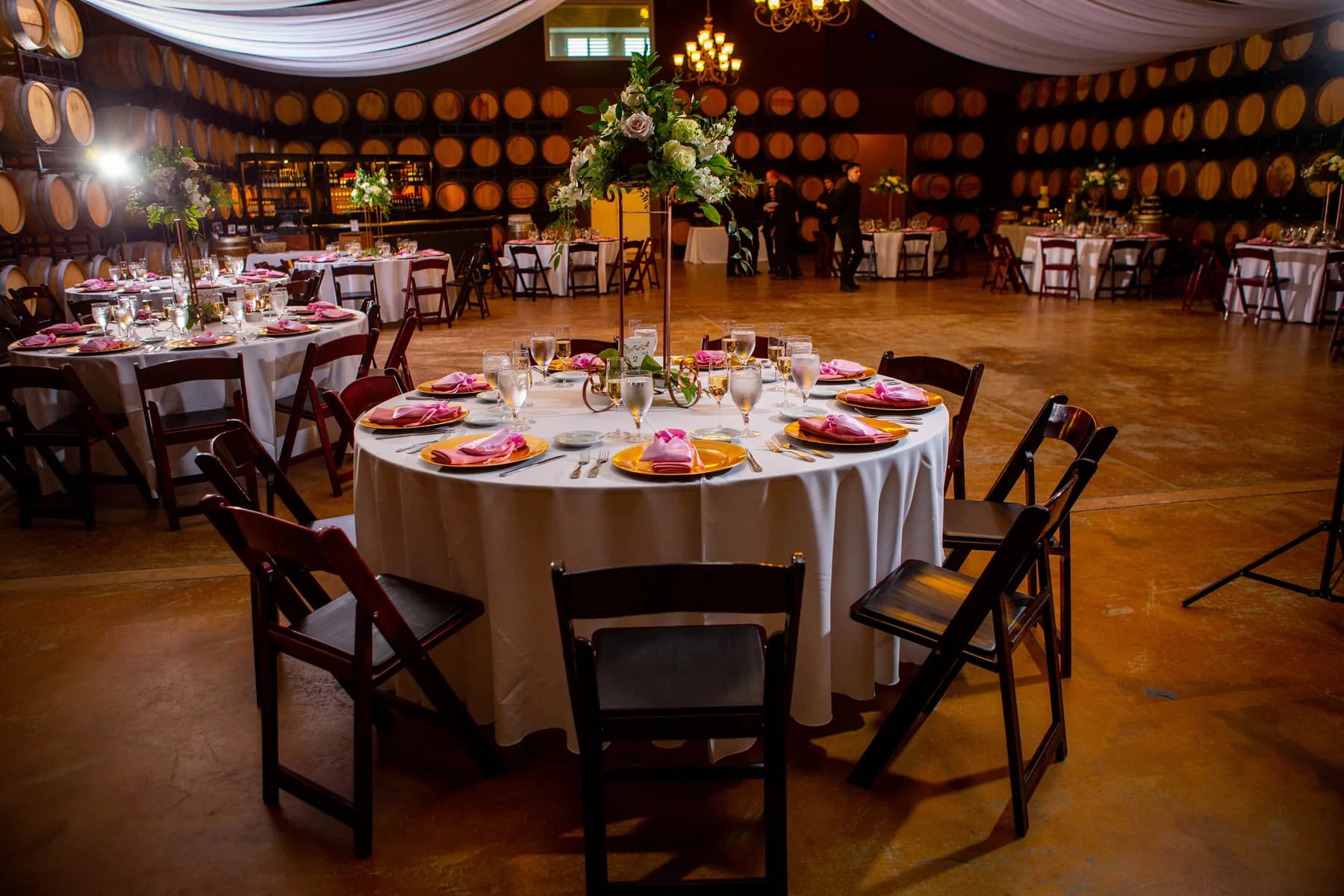
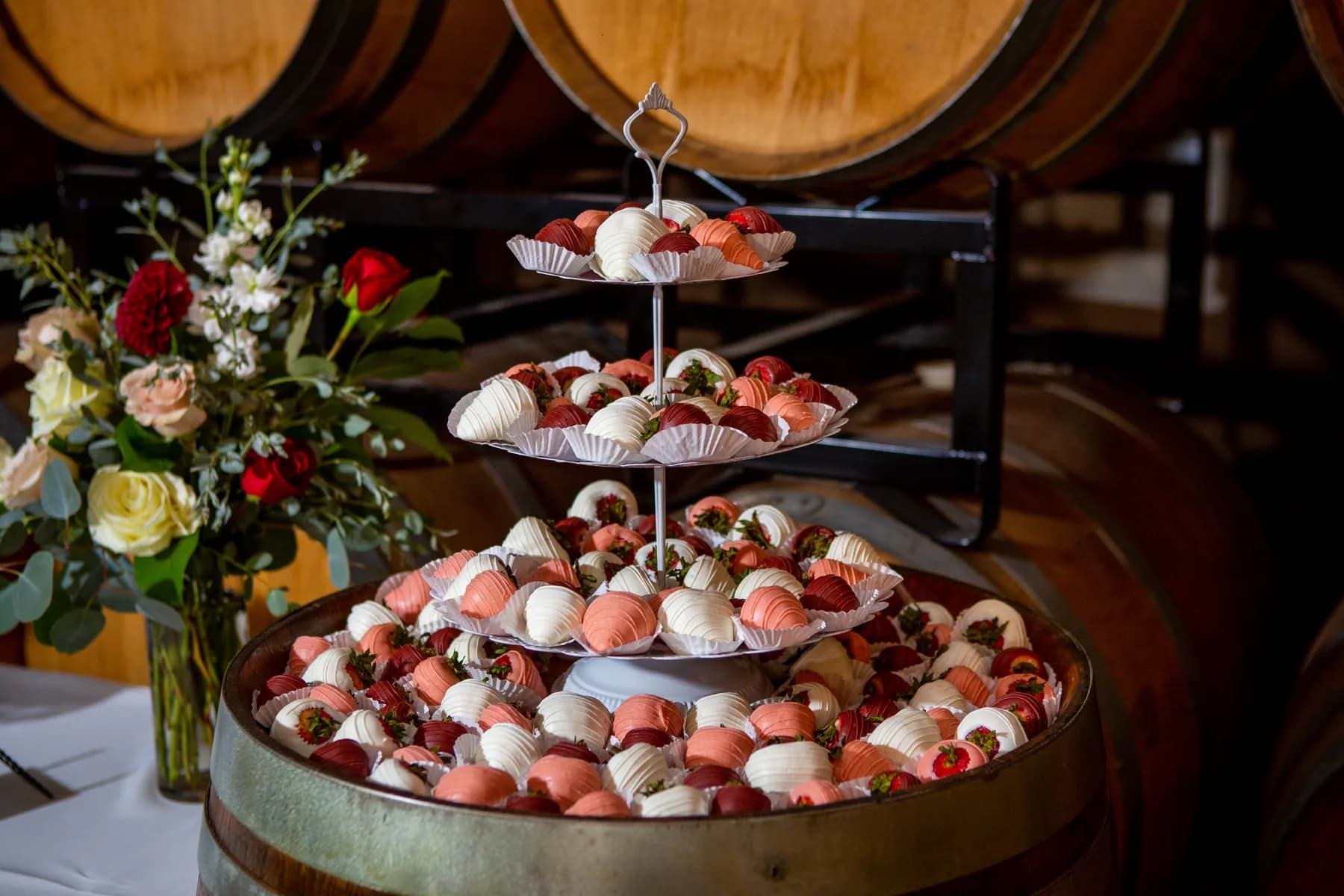
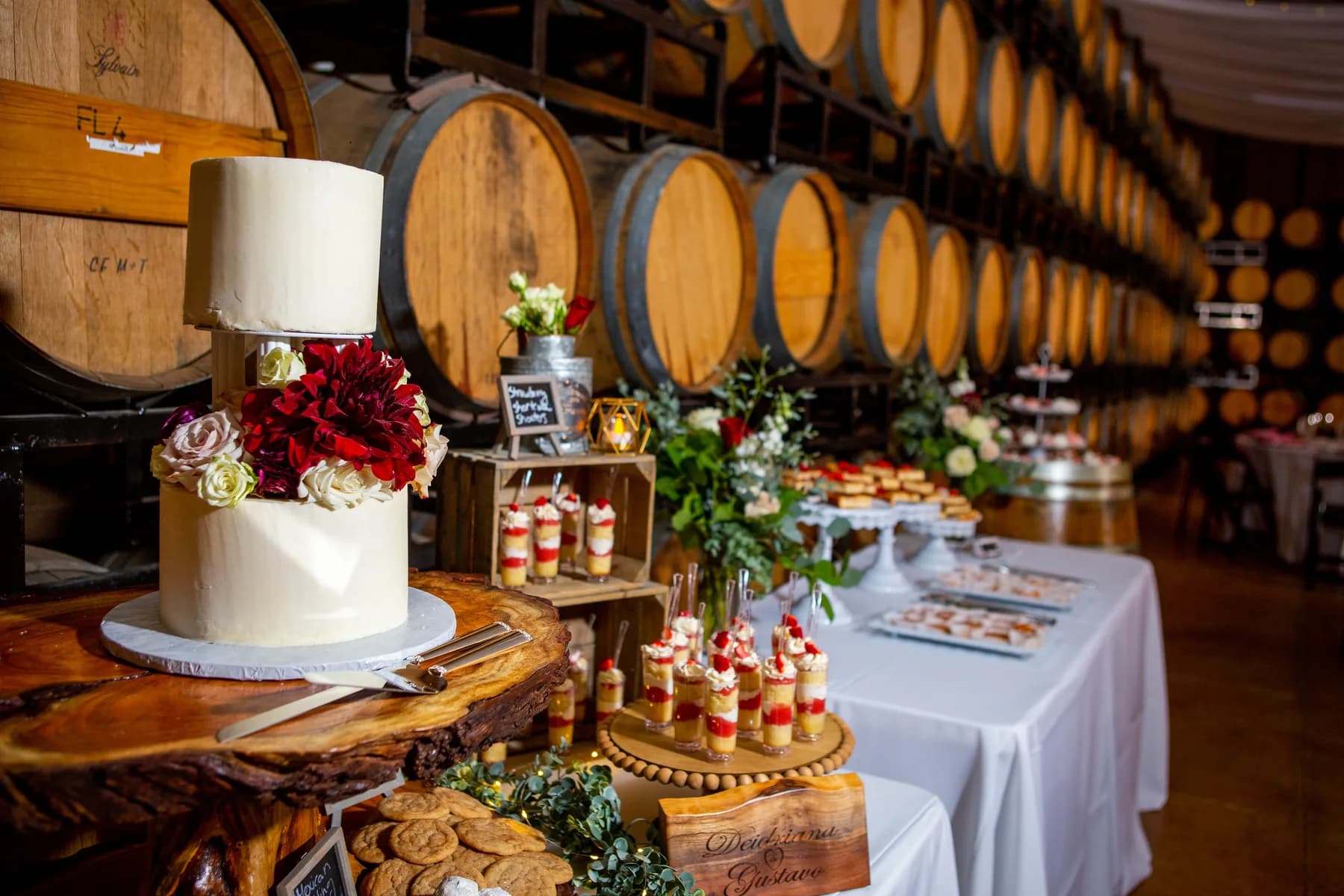
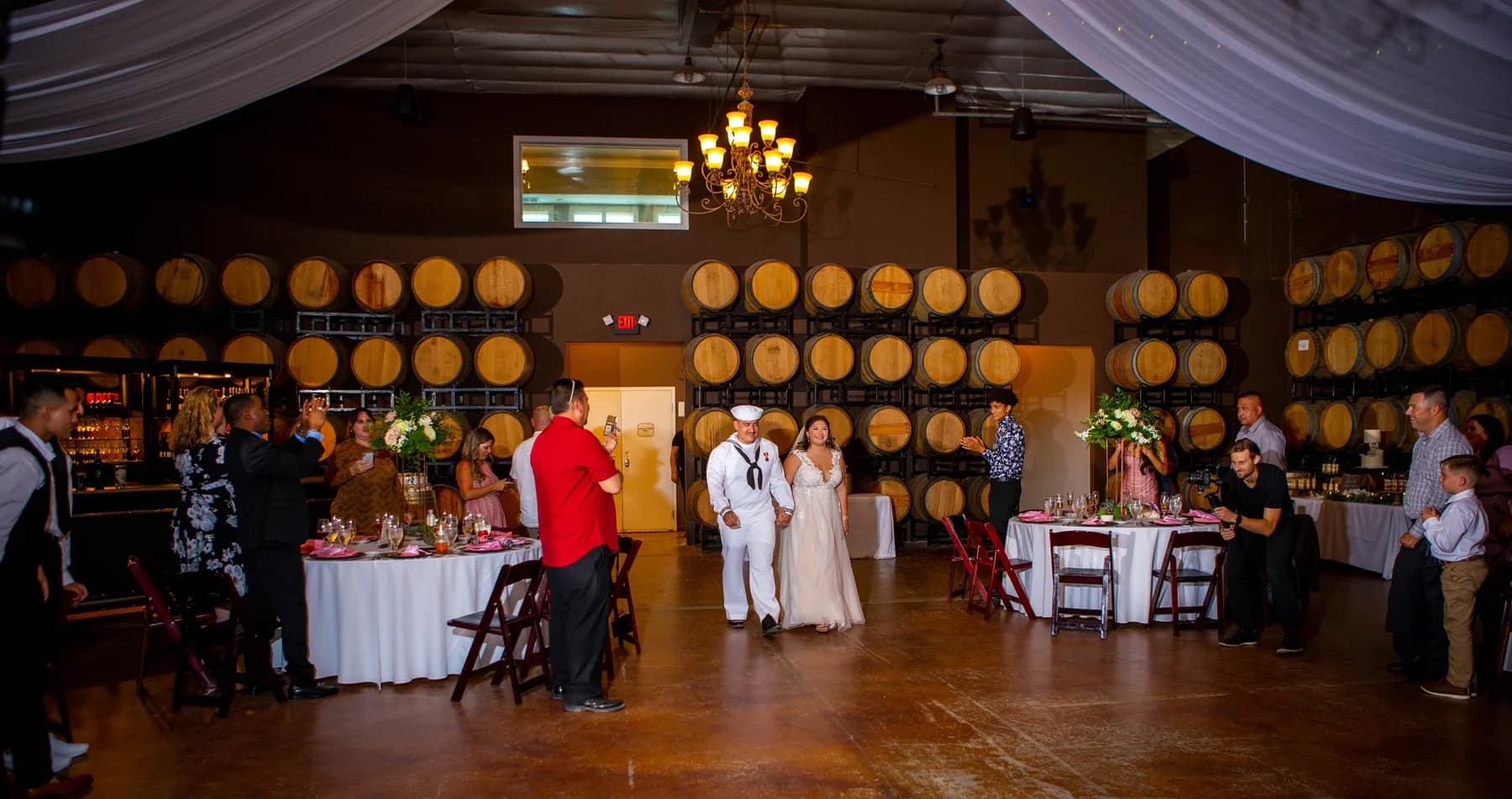
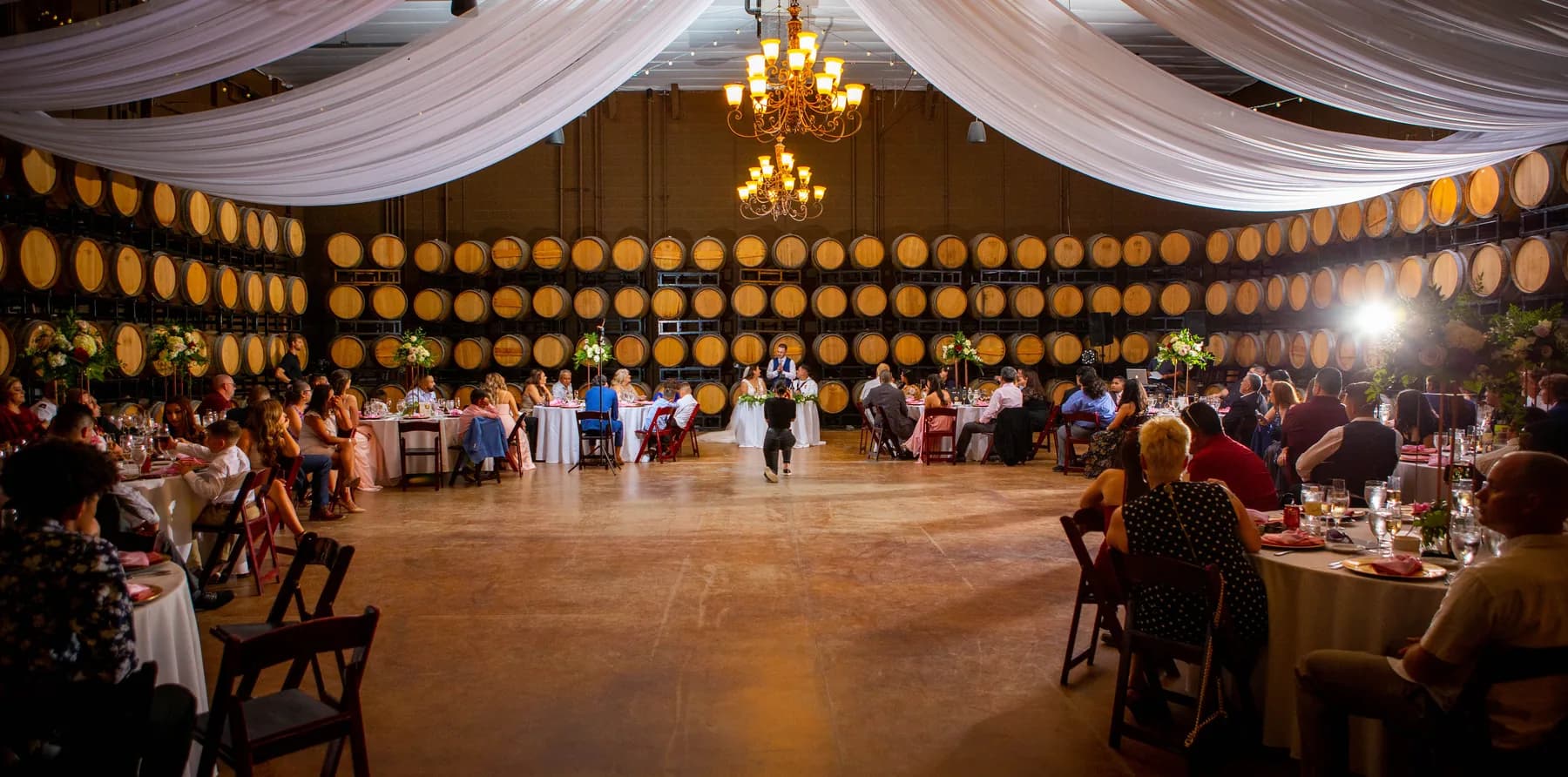
The barrel room creates a dramatic transition from the bright ceremony lawn. Rows of wine barrels, chandeliers, draped fabric, and warm interior tones give dinner and dancing a distinctive winery atmosphere.
Photography inside requires a different approach from the outdoor ceremony. Light levels are lower, guests and the couple move quickly, and the room’s ambiance is part of the story. The goal is to preserve expressions and movement while allowing the barrels and warm light to remain visible rather than making the reception look like an unrelated blank event space.
Building a photography-friendly timeline
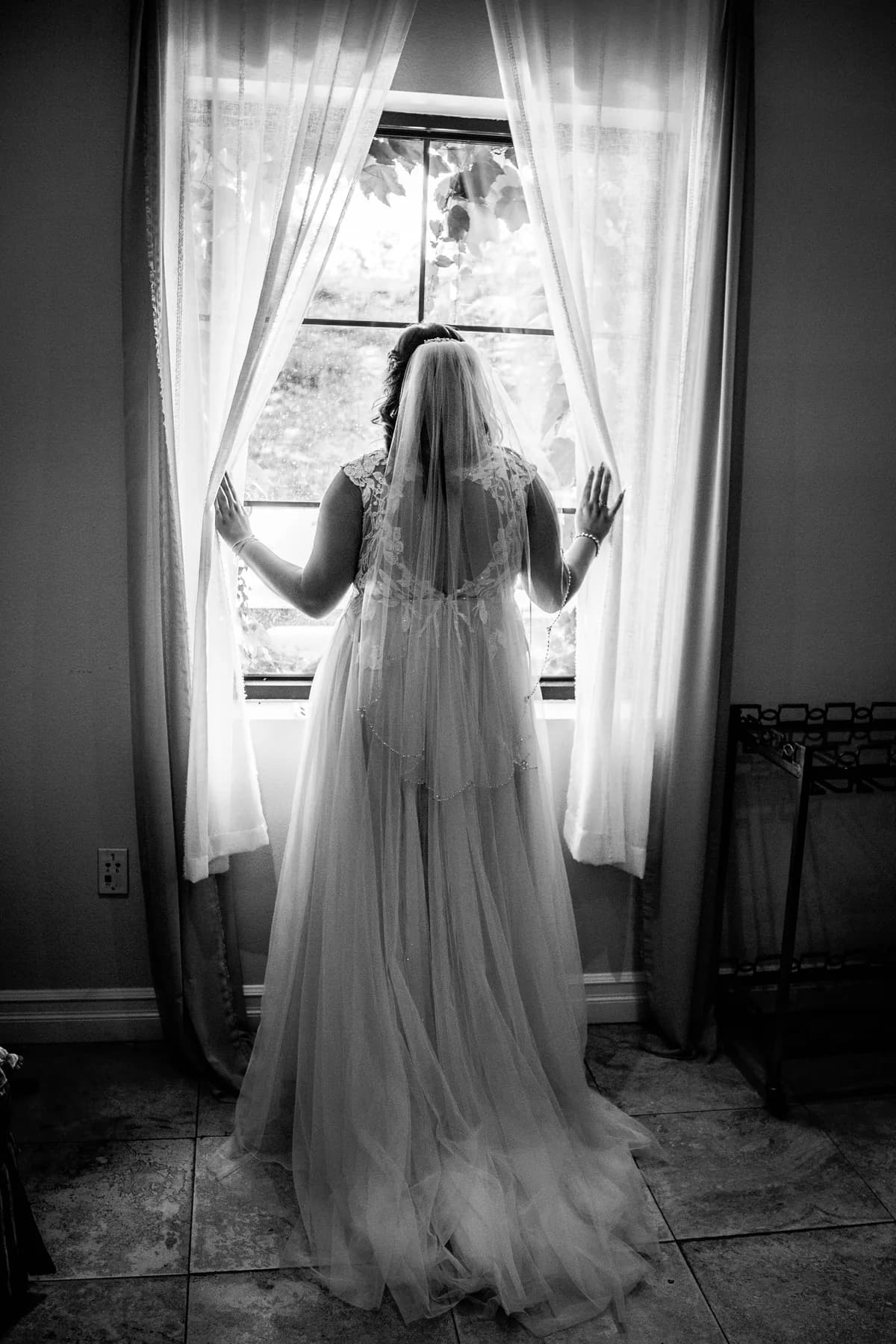
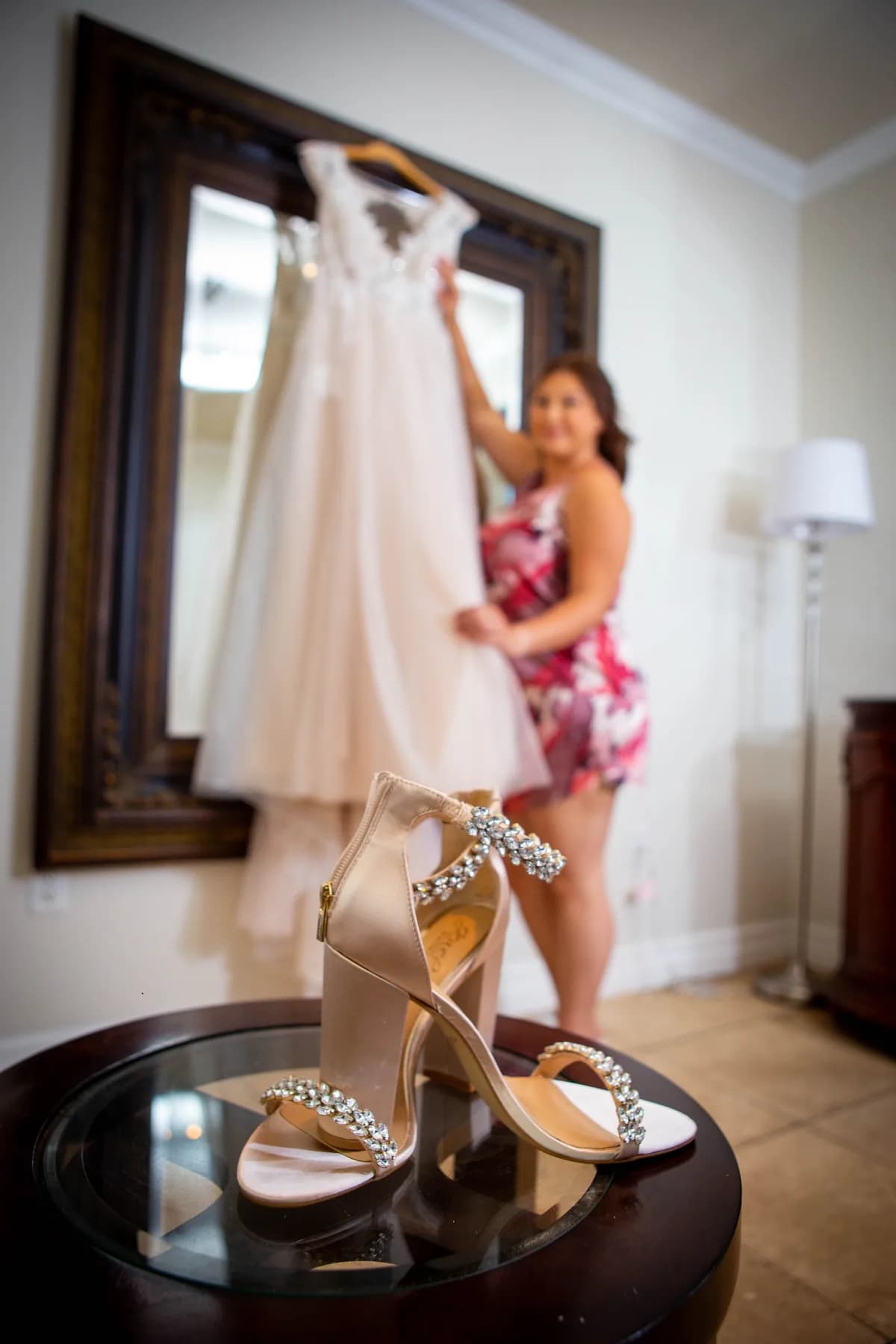
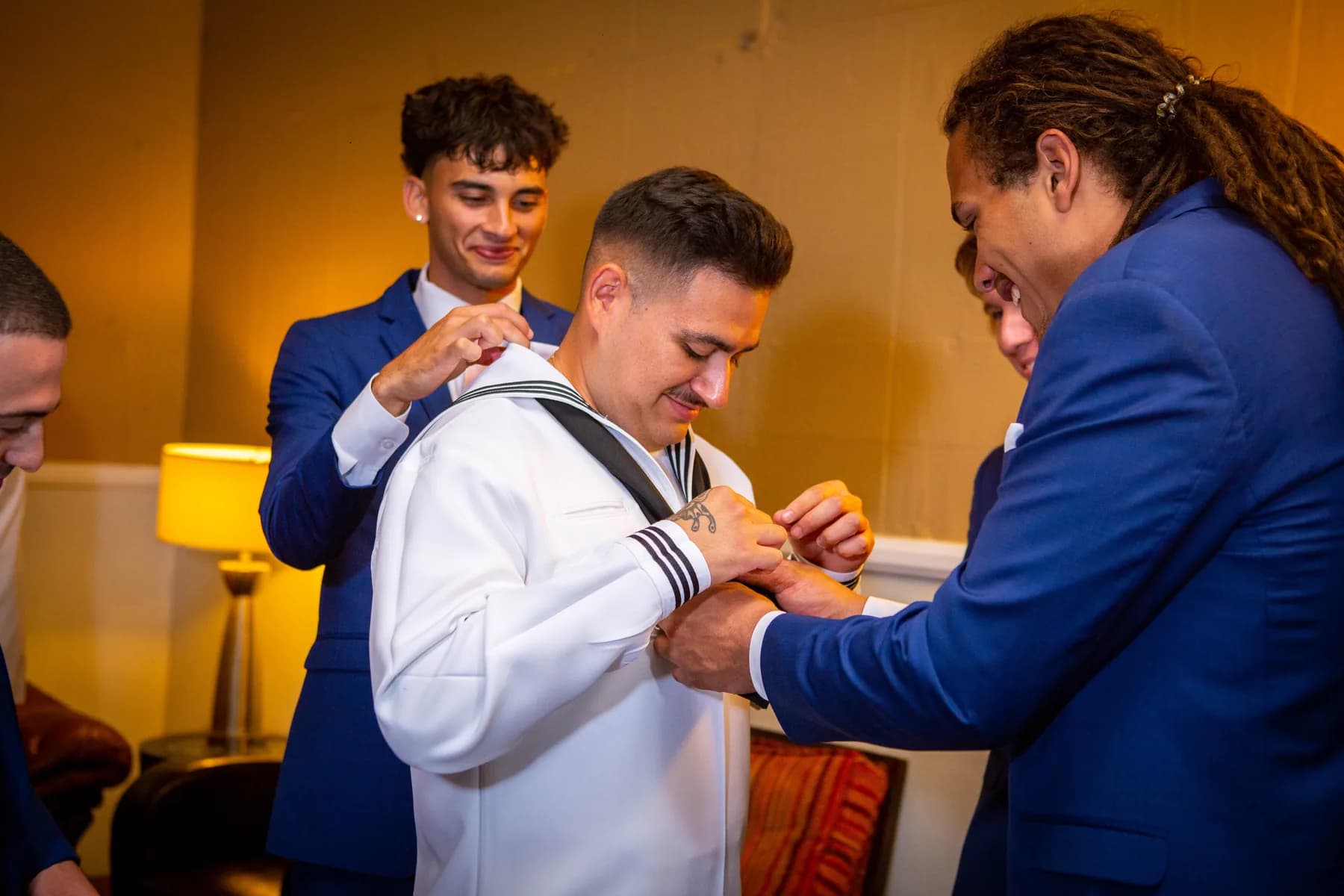
A practical Leoness Cellars photography plan should account for four transitions: preparations, the ceremony lawn, vineyard portraits, and the barrel room. Each has different light and access considerations. Couples should confirm every operational answer directly with the venue.
Is Leoness Cellars right for your wedding?
Leoness Cellars may be a strong fit for couples who want their photographs to include both open Wine Country scenery and a warm indoor reception environment. The property supports wide landscapes, formal groups, quiet couple portraits, detailed décor, and energetic reception coverage within one connected visual story.
The best way to evaluate the venue is to tour it, confirm current details with its event team, and review complete wedding galleries—not only a few hero photographs. Deidriana and Gustavo’s real wedding shows how a celebration can move through these spaces.